Practical cleaning and sanitation routines for olive oil mills to protect paste behavior, separation clarity, oil quality, and harvest-season processing consistency.
Request pricingClean equipment is not a cosmetic standard in an olive oil mill. It is a production control point. Residual paste, standing wash water, old oil films, and microbial buildup can affect aroma, increase oxidation risk, slow separation, and make processing behavior less predictable from one lot to the next.
For mills using processing aids, sanitation matters even more. As an enzyme supplier for olive oil extraction, Enzymequest sees the best results when enzymes are used in a clean, stable process environment: fresh fruit, controlled paste handling, clean contact surfaces, and disciplined end-of-shift routines.
Sanitation does not create quality on its own. It protects the quality already present in the olive.
In harvest conditions, small delays become operational problems quickly. A thin layer of old paste inside a transfer line or under a malaxer paddle can carry oxidized residue into the next batch. Oil films in separators can trap solids. Wet corners can support off-odors. Dirty screens and pumps can change flow behavior and increase downtime.
Good sanitation protects four things mill managers care about every day:
Pre-harvest cleaning is the time to find weak points without production pressure. Do not wait until fruit is in the yard to discover hardened paste inside a hopper, damaged seals, or a poorly draining section of pipework.
The objective is not paperwork. The objective is repeatable readiness.
During peak intake, sanitation often becomes reactive. Operators clean what blocks production and leave the rest for later. That is understandable, but it is also how quality drift begins.
A practical daily routine should focus on product-contact zones where paste, water, and oil residues accumulate fastest.
Receiving hoppers and conveyors
Remove leaves, soil, and damaged fruit residue. Pay attention to corners and undersides where paste dries and re-enters the flow later.
Crusher feed areas
Keep the feed path clear so fruit moves evenly. Inconsistent feed can change paste texture and affect downstream handling.
Malaxers
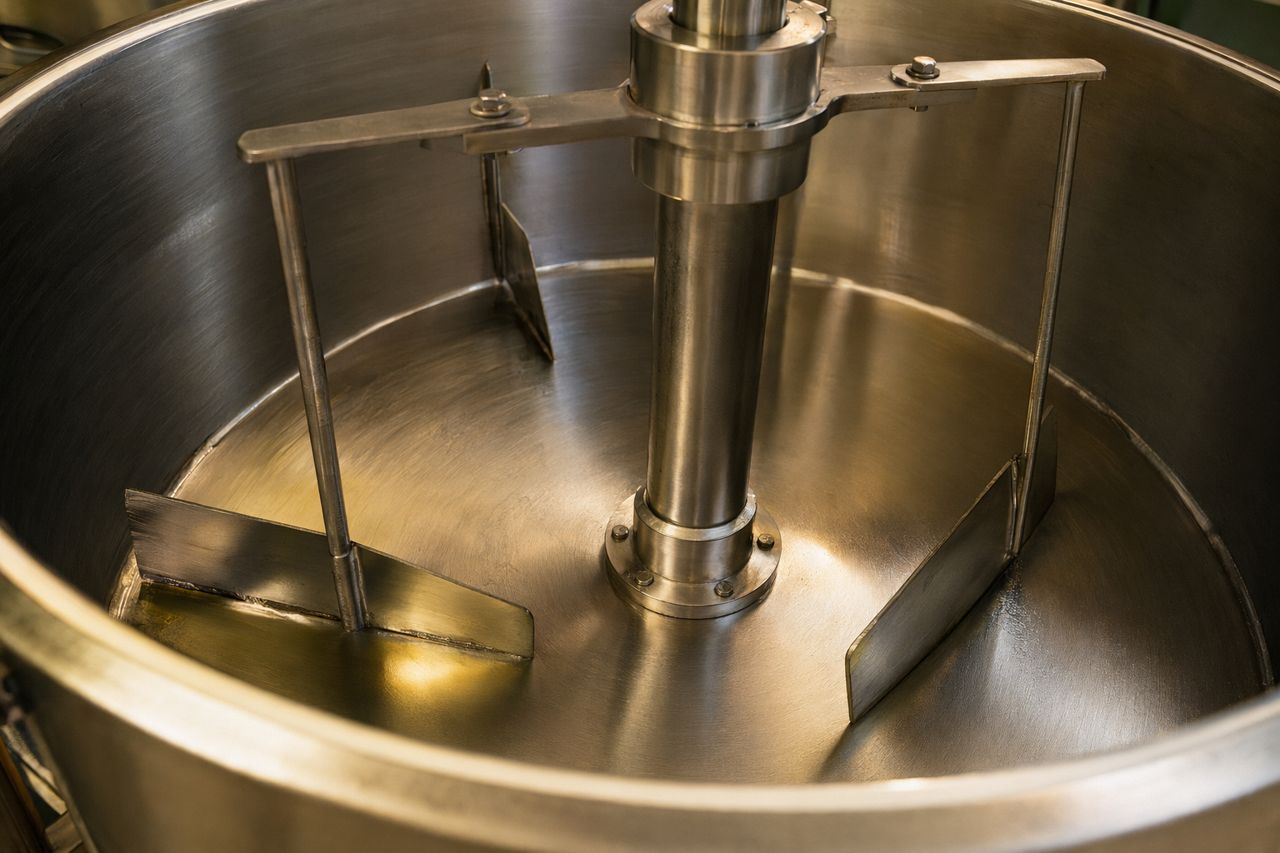
Clean paddles, covers, seals, ports, and interior walls. Old paste can carry oxidized material into fresh batches and interfere with process consistency.
Transfer pumps and lines
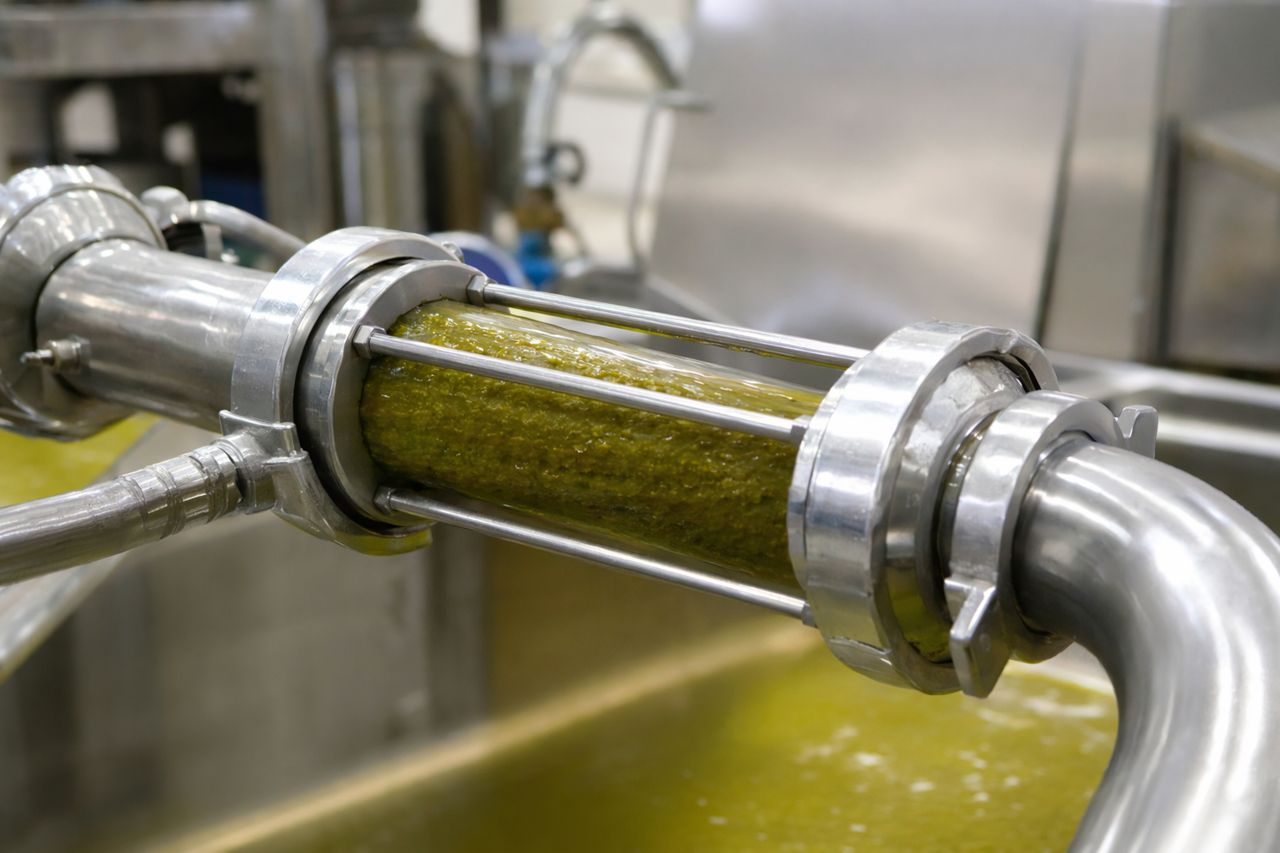
Flush and clean areas where paste sits under pressure or in low-flow pockets. These zones can become a source of residue carryover.
Decanter inlet and outlet areas
Remove solids and oil films that can disturb separation clarity and create restart issues.
Vertical separators and oil contact tanks
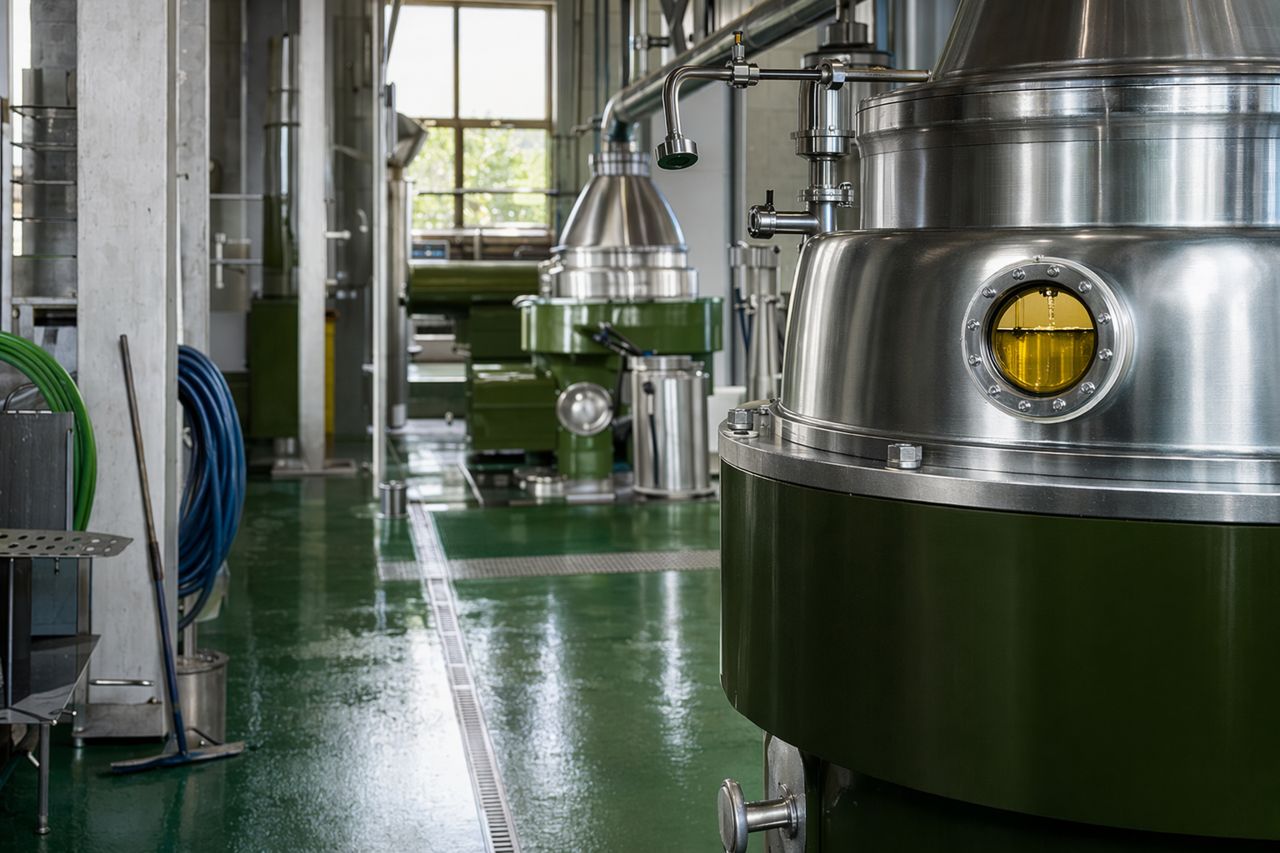
Keep oil films fresh and remove water pockets. These areas have direct impact on visual clarity and sensory risk.
Not every lot requires a full sanitation cycle. But certain changeovers deserve a deliberate pause, especially when protecting premium batches.
Consider a targeted clean between lots when:
A short, focused clean can protect the next batch from the previous one. It can also make enzyme performance more predictable by reducing interference from old residues and unstable paste conditions.
Enzymes are not a substitute for sanitation. They are process tools designed to support extraction behavior under controlled mill conditions. Dirty equipment can reduce the operational value of any processing aid by adding variables the operator cannot manage cleanly.
For mills using Enzymequest enzyme solutions, keep these points in the routine:
A clean process does not guarantee a specific yield. It gives the mill a better operating baseline for evaluating paste behavior, separation, and oil quality.
The best sanitation plan is the one operators can complete under real harvest pressure. End-of-shift routines should be simple, visible, and tied to equipment zones.
Empty the line fully
Push remaining paste through the process where appropriate. Avoid leaving paste in pumps, pipes, or malaxers overnight.
Remove gross solids first
Scrape and rinse visible paste before applying detergents. Chemical cleaning works better when heavy residue is already gone.
Clean product-contact surfaces
Focus on malaxers, pump bodies, transfer lines, separator bowls, screens, covers, and oil contact tanks.
Rinse with intent
Rinse until loosened material is removed, not just until surfaces look wet.
Apply approved sanitation step
Follow chemical supplier guidance and local food safety requirements. Avoid residue that could contact the next production run.
Drain and inspect
Standing water is not clean. Open low points, check drains, and inspect hidden corners.
Document exceptions
If a zone was not cleaned, or if a part needs maintenance, record it before the next shift starts.
Many sanitation problems are not caused by lack of effort. They come from routines that look clean from the outside but leave risk inside the process.
The mill floor does not need complicated theory. It needs clear habits that hold up when trucks are waiting.
Good sanitation should show up in production. Operators should watch for practical signals after startup:
If these signals improve, the cleaning routine is doing operational work, not just satisfying a checklist.
A strong olive oil mill does not separate quality from production. It designs cleaning around throughput, crew capacity, fruit condition, and target oil profile.
Enzymequest works with mills that want practical enzyme integration within real harvest conditions. That means looking at paste behavior, malaxing discipline, separation performance, and the sanitation routines that protect every batch.
Planning for the next harvest or reviewing current extraction performance? Use the on-site request a quote form to tell us about your mill capacity, fruit profile, process layout, and production goals. Enzymequest will help identify enzyme solution options that fit your olive oil extraction workflow.
Enzymequest supplies olive oil mills, cooperatives, mill groups and distributors by quote only. Pack format, quantity and delivery timing are quoted per order. Include the product (or the problem to solve), the quantity (trial, season or resale volume) and the destination with your inquiry.
Tell us your application and volume — we reply with pricing and lead time.
We have received your message. We will reply by email.