A practical pre-harvest readiness guide for olive oil mills covering spare parts, lab checks, staff training, process records, and enzyme-assisted extraction planning.
Request pricingHarvest does not wait for a missing gasket, an uncalibrated moisture check, or a crew that has not agreed on paste targets. For an olive oil mill, season readiness is the difference between controlled throughput and daily firefighting.
Enzymequest supports mills that want enzyme-assisted extraction to be practical, repeatable, and easy to manage on the floor. If you are looking for an enzyme supplier for olive oil extraction, the best conversation starts before the first truck arrives.
This guide is built for mill managers preparing the line, the people, and the records that keep extraction consistent during peak pressure.
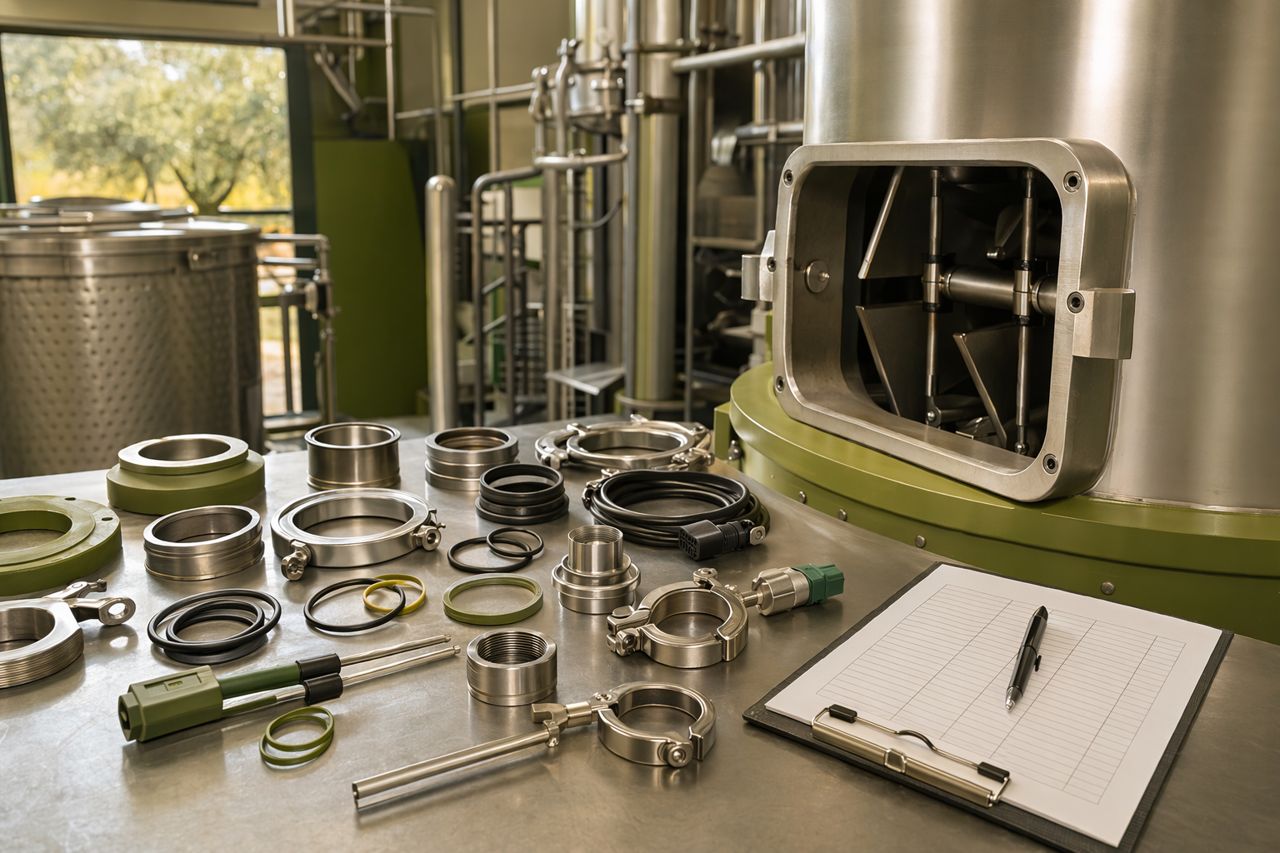
A strong season plan begins with the parts that stop production when they fail. Do not limit the checklist to obvious wear items. Focus on the parts that affect paste handling, flow stability, separation clarity, and cleaning speed.
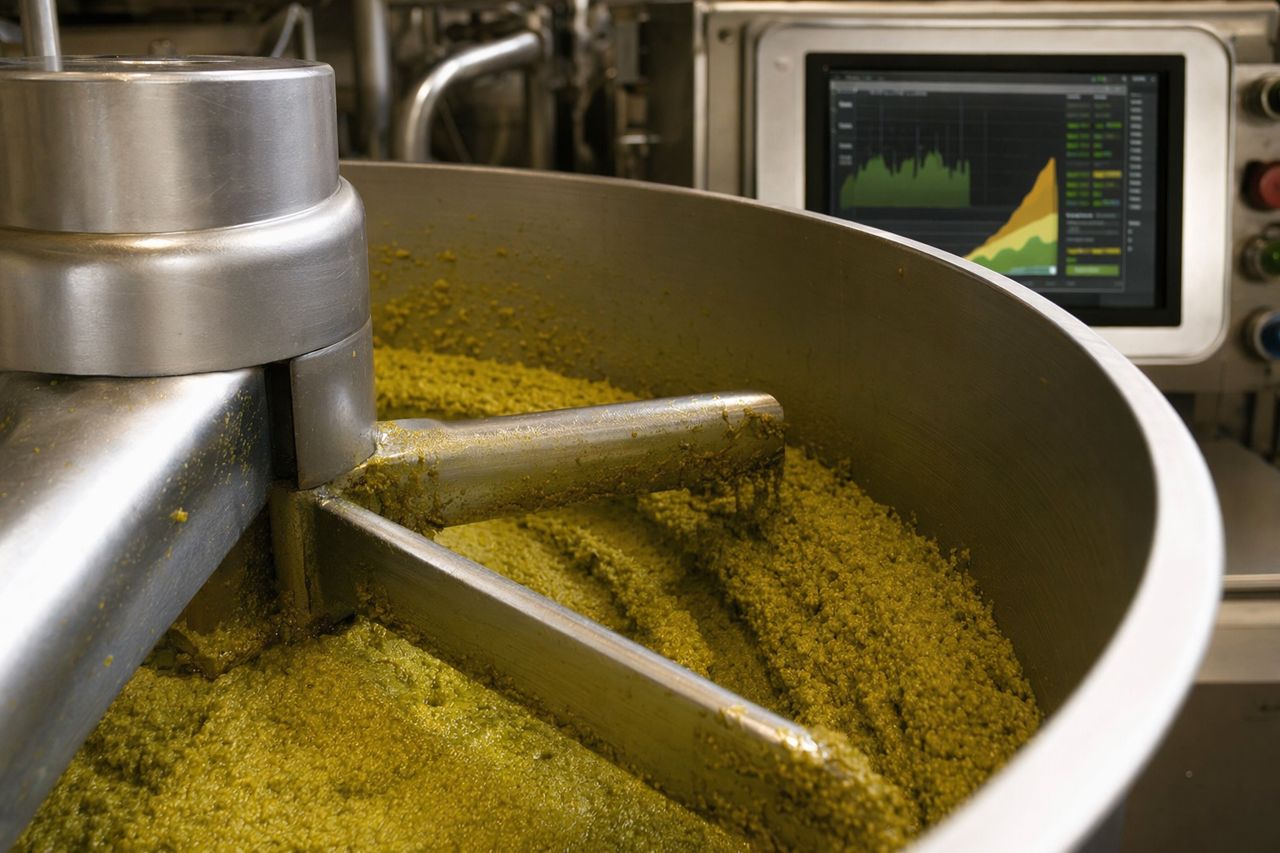
Enzymes work best when the process around them is stable. Consistent paste movement, controlled malaxation, clean dosing, and predictable separation allow the mill to see the practical impact: improved oil release, more manageable paste behavior, cleaner phase separation, and fewer process surprises between varieties.
A worn pump, unstable temperature signal, or inconsistent mixing pattern can hide the benefit of a well-selected enzyme program.
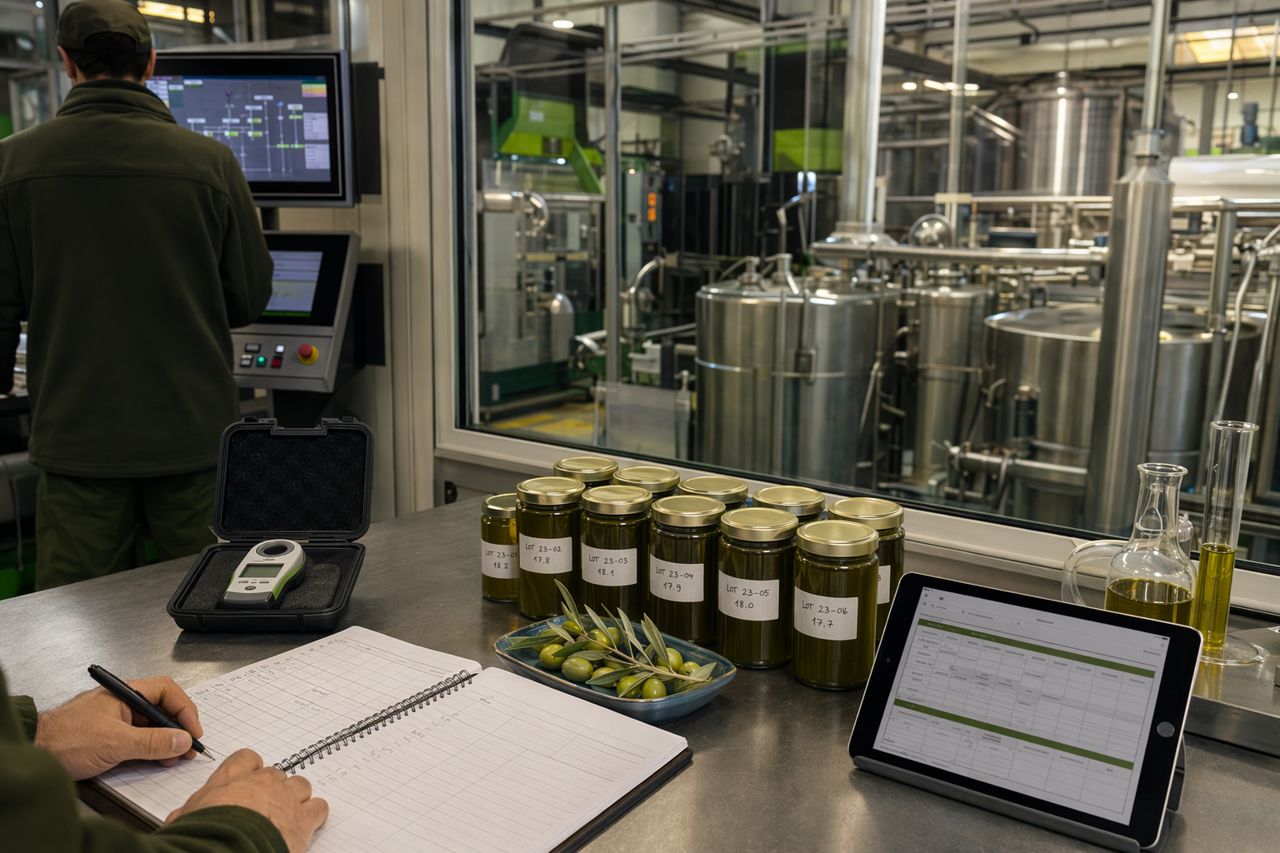
The lab does not need to become complicated. It needs to be ready, consistent, and trusted by the operators.
Before harvest, confirm the basic checks your team uses to make processing decisions:
The goal is not paperwork for its own sake. The goal is fast feedback that helps the mill manager decide when to adjust malaxation, water addition strategy, enzyme use, throughput, or cleaning intervals.
If the mill plans to evaluate or continue an enzyme-assisted process, prepare a trial sheet before harvest. Keep it practical:
Good records help distinguish enzyme impact from fruit variability, equipment condition, and operator changes.
Harvest crews move fast. Training should be short, visual, and connected to the equipment they use every day.
When operators understand these signals, they can escalate early instead of waiting for yield loss, separation issues, or downtime.
For enzyme-assisted extraction, train staff on:
Keep the message simple: enzymes are not a shortcut for poor control. They are a process tool that performs best when the mill is clean, measured, and consistent.
During peak harvest, decisions are made under pressure. Records should be fast enough to complete and structured enough to be useful later.
After several days, practical patterns start to appear:
This is where readiness pays off. The mill is no longer guessing. It is learning while the season is still active.
If enzyme use is part of the season plan, the dosing setup should be treated like a production-critical system.
The addition point should support even distribution into the paste stream. Poor distribution can create inconsistent results even when the enzyme selection is correct.
Not every mill has the same pressure point. Before season launch, define the target.
Enzymequest helps mills match enzyme selection and use strategy to these practical targets. The focus is not laboratory complexity. The focus is mill-floor performance: better release, clearer separation, and more controlled processing when the harvest is moving fast.
A short meeting one or two weeks before harvest can prevent weeks of confusion.
Put the answers where the team can see them: near the control room, lab bench, or shift board.
The first week of harvest is the best time to correct the system. Do not wait until the season is almost over.
Review:
The first-week review should be practical and decisive. Keep what is working. Fix what is slowing the line. Clarify what operators are unsure about.
A reliable olive oil mill season is built before the olives arrive: spare parts in place, lab checks prepared, staff aligned, records ready, and the extraction strategy matched to real fruit conditions.
Enzymequest supplies enzyme solutions for olive oil mills that want practical support for extraction efficiency, paste behavior, separation clarity, and harvest-season consistency.
Planning enzyme use for the coming season? Request a quote through the on-site form and tell us about your mill, fruit profile, and processing goals.
Enzymequest supplies olive oil mills, cooperatives, mill groups and distributors by quote only. Pack format, quantity and delivery timing are quoted per order. Include the product (or the problem to solve), the quantity (trial, season or resale volume) and the destination with your inquiry.
Tell us your application and volume — we reply with pricing and lead time.
We have received your message. We will reply by email.