Learn how pomace texture and wastewater clarity reveal decanter performance issues in olive oil extraction, and how enzyme support can improve paste behavior, separation, and consistency.
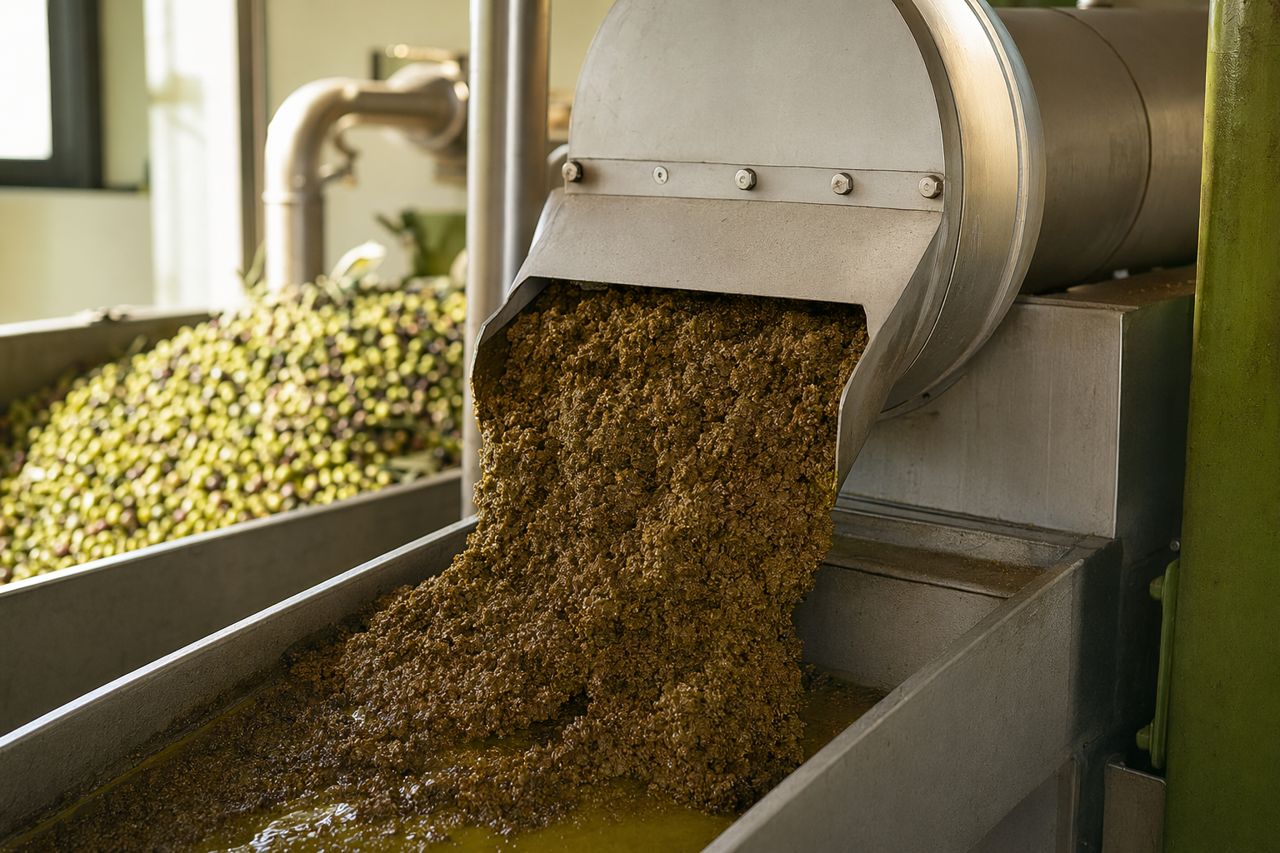
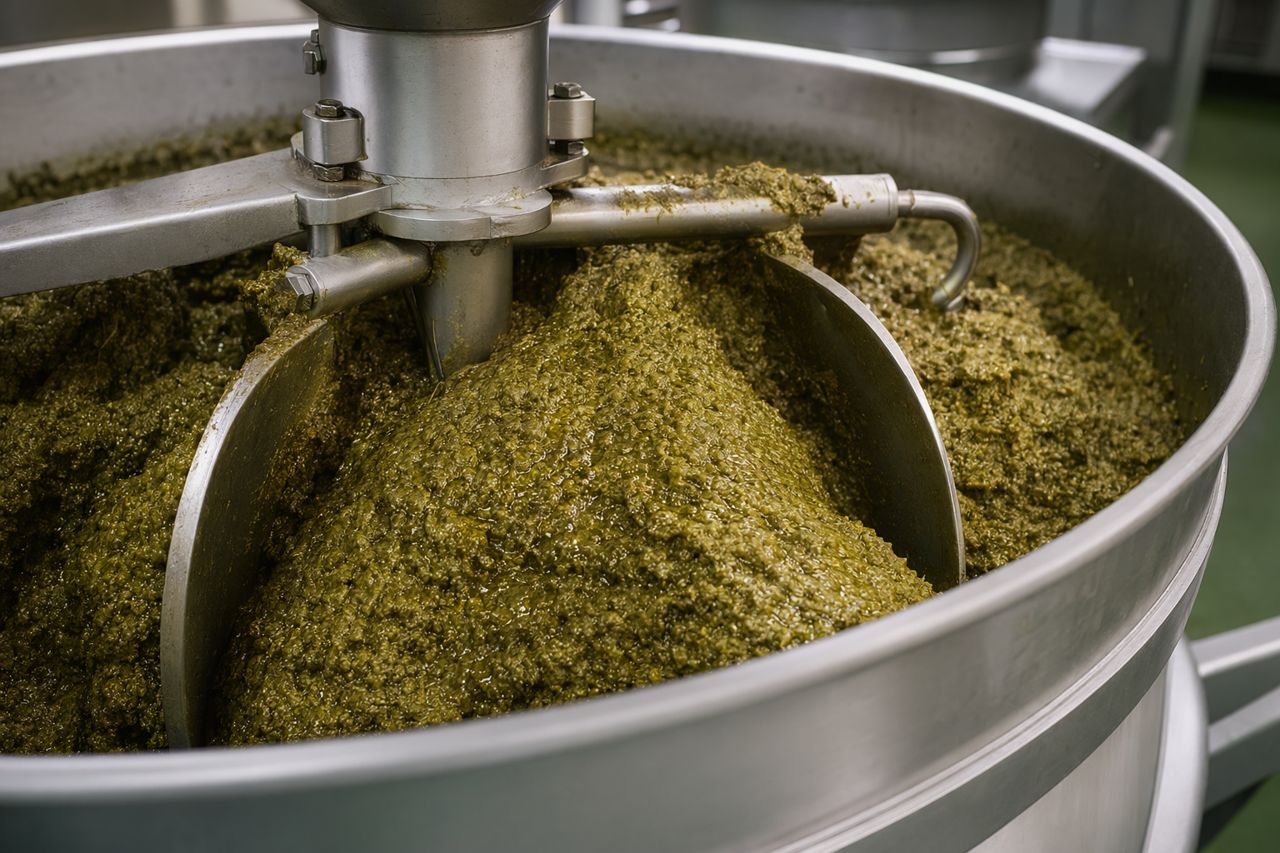
Request pricingIn a busy olive oil mill, the decanter tells the truth quickly. You can see it in pomace that still looks oily, wastewater that carries too much emulsion, and paste that refuses to separate cleanly after malaxation.
For mill managers, these signs are not just quality observations. They point to extractable oil left behind, unstable separation, higher downstream load, and more pressure on the line during peak harvest.
Enzymequest works with olive oil mills as an enzyme supplier for olive oil extraction, helping teams improve paste behavior before the decanter so separation becomes more predictable.
The decanter is not isolated. Its performance is shaped by fruit condition, crushing, malaxation, paste viscosity, water balance, and solids loading. When the paste structure is too resistant, oil droplets remain trapped in the cell material and fine solids carry over into the liquid phase.
Pomace and wastewater are practical diagnostic points because they show what the system failed to release or separate.
Pomace should be monitored for texture, sheen, and consistency across varieties and harvest days.
Common warning signs include:
These clues do not automatically mean the decanter is set incorrectly. Often, the paste entering the decanter is the real constraint.
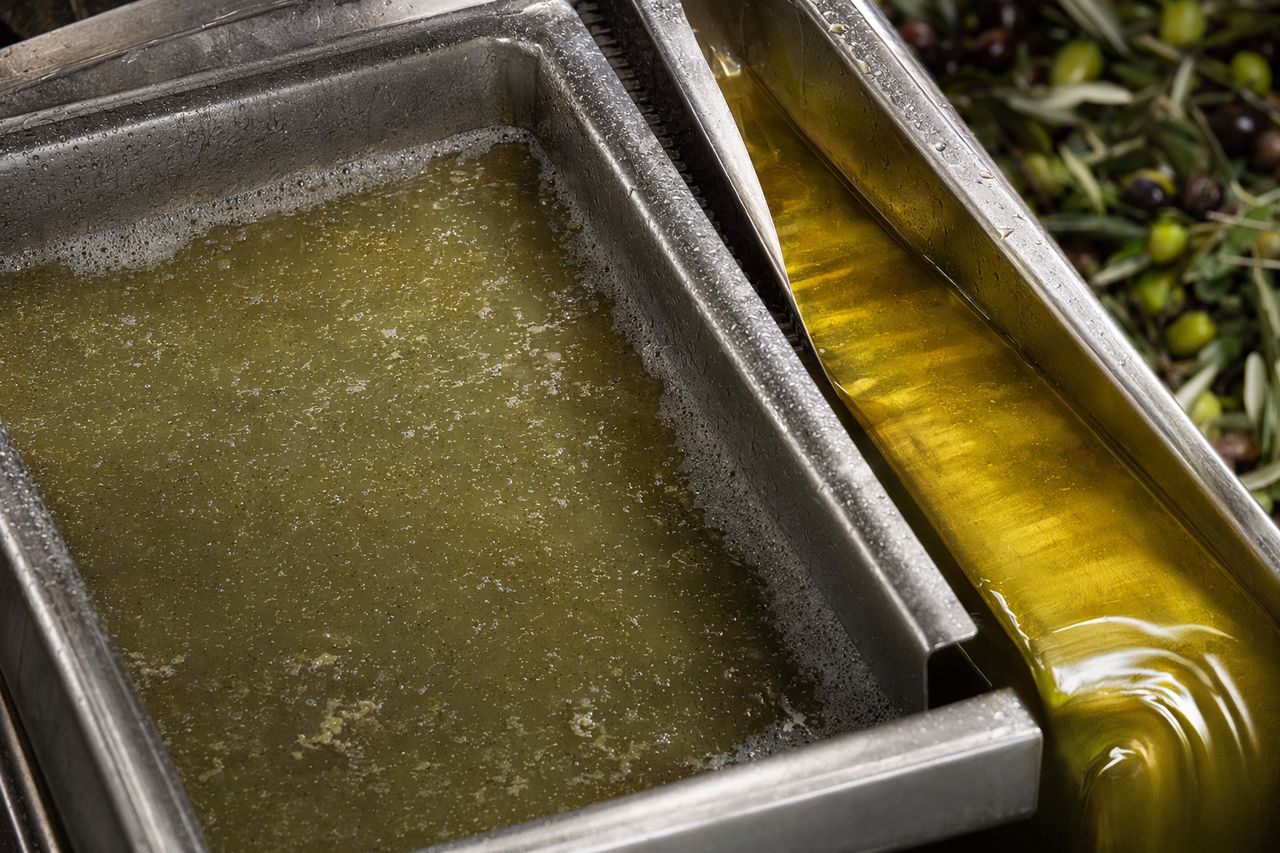
Wastewater behavior can reveal emulsion stability and separation stress. If the liquid phase looks cloudy, thick, or persistently loaded with suspended material, the decanter may be fighting paste chemistry rather than simple mechanical imbalance.
Look for:
Cleaner liquid separation helps the whole mill. It can reduce avoidable rework, support clearer oil streams, and keep the process moving when incoming fruit volumes rise.
Enzymes are applied upstream of the decanter, typically around paste preparation and malaxation strategy. Their role is to help modify plant cell-wall structures that hold oil and water in a resistant matrix.
For mills, the operational target is practical:
The enzyme is not a substitute for good milling discipline. Crusher setup, malaxation control, temperature management, dilution choices, and decanter tuning still matter. But when paste structure is the bottleneck, enzyme support can give the decanter a better feed to work with.
Early fruit can bring firm tissue, green paste, and difficult oil release. Mills may see tight paste behavior, lower natural separation, and pomace that appears richer than expected. Enzyme support can help open the structure of the paste and make the decanter response more stable.
Wet olives can push the line toward unstable emulsions and overloaded wastewater. The aim is not simply to add or remove water, but to improve how the paste separates. A tailored enzyme approach can help reduce resistance in the paste matrix so the liquid phases clarify more cleanly.
During peak season, mills often process changing fruit every few hours. Paste behavior can swing from firm and elastic to soft and watery. Enzyme programs can be adjusted by operating objective, helping teams maintain a steadier extraction profile across variable incoming loads.
Late fruit can carry different challenges: soft texture, higher degradation risk, and more solids management issues. The focus becomes controlled release, clean separation, and avoiding unnecessary stress on clarification and storage.
Use these observations during production walks:
If several of these signs appear together, the paste may need support before it reaches the decanter.
Enzymequest supplies enzyme solutions for olive oil extraction with a focus on real mill outcomes: extraction efficiency, paste behavior, separation clarity, and processing consistency.
Our approach starts with the process, not a generic product pitch. We look at fruit condition, paste behavior, existing equipment, and the mill’s operating priorities. From there, we help define an enzyme strategy that fits the line and the harvest window.
For B2B buyers, the value is straightforward:
Consider a review when:
The best time to plan is before the line is under pressure. But even during harvest, a focused review can help identify where enzyme support may improve the feed entering the decanter.
If your mill is seeing oily pomace, cloudy wastewater, or inconsistent decanter response, Enzymequest can help assess an enzyme approach for your extraction process.
Request a quote through the on-site form and tell us about your olive varieties, harvest timing, equipment setup, and current separation challenge.
Enzymequest supplies olive oil mills, cooperatives, mill groups and distributors by quote only. Pack format, quantity and delivery timing are quoted per order. Include the product (or the problem to solve), the quantity (trial, season or resale volume) and the destination with your inquiry.
Tell us your application and volume — we reply with pricing and lead time.
We have received your message. We will reply by email.