Enzymequest supplies enzyme solutions for olive oil mills using paste treatment during malaxation to support extraction efficiency, paste handling, separation clarity, and harvest-season consistency.
Request pricingWhen olive paste is hard to work, the whole mill feels it: slower oil release, unstable paste behavior, heavier vegetation water, and separation that needs constant correction.
Enzymequest supplies enzyme solutions for olive oil mills that want more control during malaxation. Our olive paste enzyme treatment is built for practical use on the mill floor, helping improve paste breakdown, oil droplet release, decanter performance, and batch-to-batch consistency across demanding harvest conditions.
We supply by quote to olive oil mills, cooperatives and mill groups, and to distributors and resellers who supply mills, with application-focused support, supply planning for the season and clear technical communication.
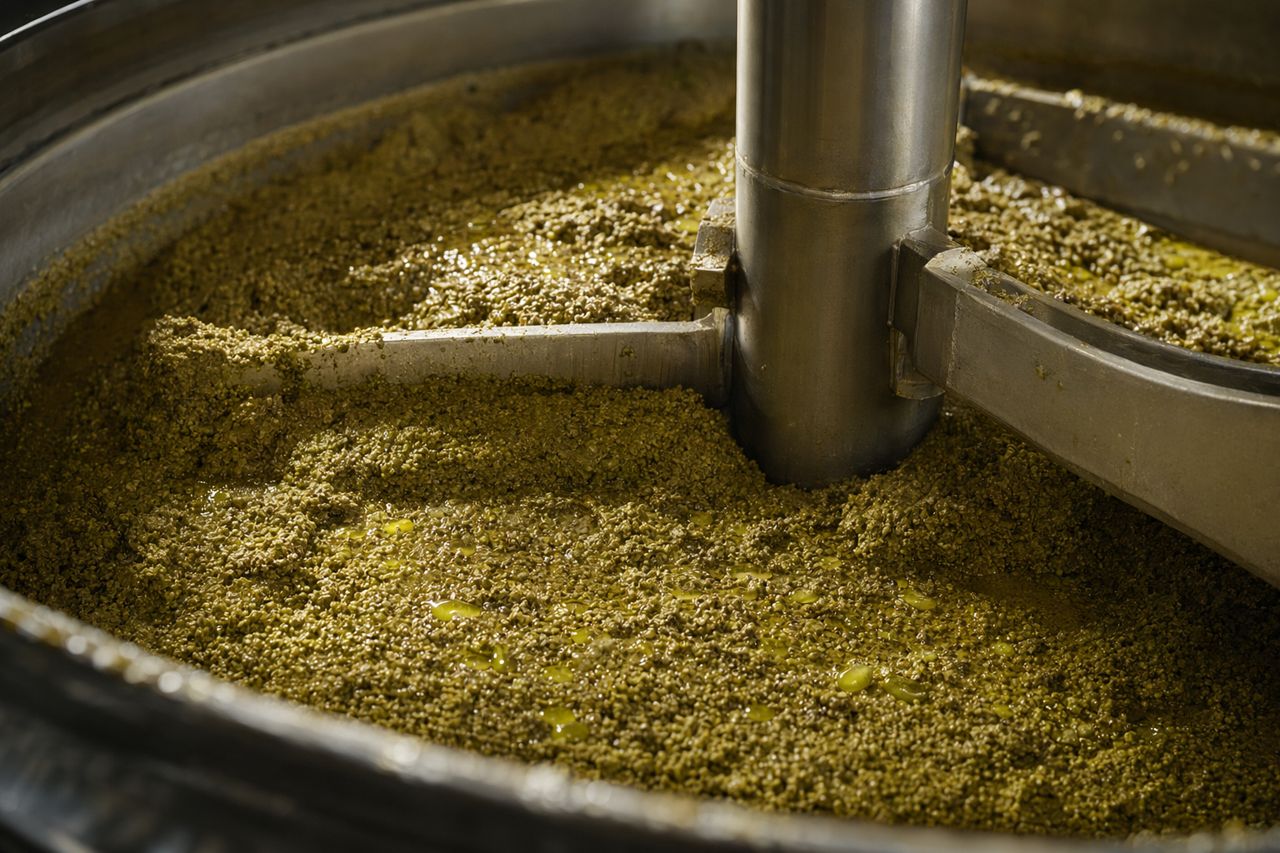
Malaxation is where paste behavior becomes visible. Some lots open cleanly. Others stay tight, hold oil in the solids, or create separation problems downstream.
Enzymequest enzyme treatment is designed to support the natural mechanical action of crushing and malaxing by helping loosen the paste matrix. The goal is not to complicate your process. The goal is to make the paste more cooperative, the oil phase easier to recover, and the downstream separation more predictable.
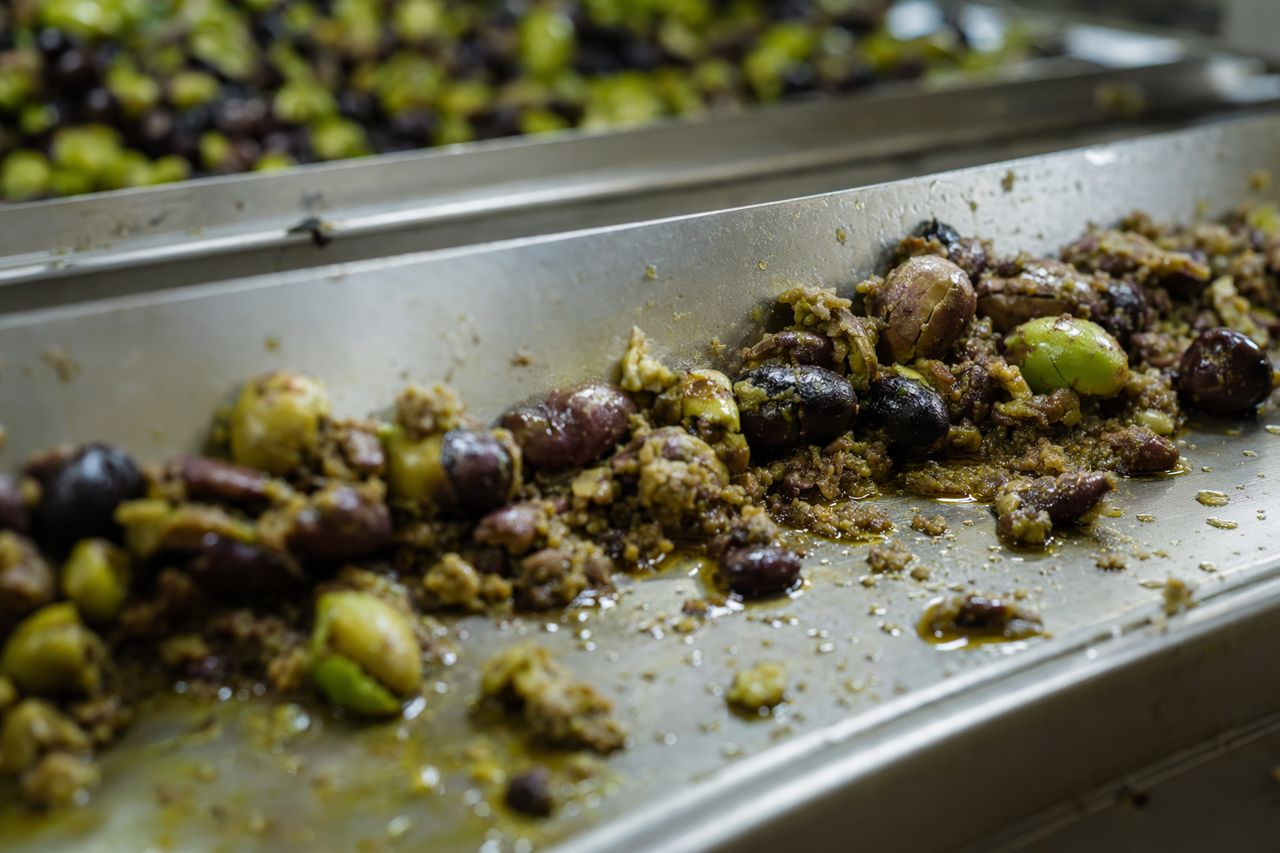
Different olive lots behave differently. Variety, maturity, fruit condition, moisture, storage time, and crushing profile all influence how paste moves through the mill. Enzyme treatment can be especially useful when paste structure limits efficient oil release or creates separation instability.
Enzymequest helps mills evaluate where enzyme treatment makes sense and how to position it within the existing process.
Enzymequest enzyme treatment is applied to olive paste during the malaxation stage. In practical terms, the enzyme solution supports the breakdown of structural components within the paste that can trap oil and limit coalescence.
The effect is seen in process behavior:
This is especially valuable during harvest, when fruit characteristics change quickly and mill teams need repeatable control from one delivery to the next.
Enzymequest does more than supply an enzyme. We help your team match treatment strategy to the way your mill actually runs.
The result is a supply and application plan that respects your equipment, your fruit, and your commercial pressure during harvest.
Olive oil mills do not need additives that create uncertainty. They need dependable processing tools that support controlled extraction while protecting the character of the oil.
Enzymequest focuses on enzyme solutions that help improve physical extraction behavior without changing the identity of the product. Used correctly, enzyme treatment supports yield recovery and separation efficiency while allowing the mill to maintain its own quality standards for aroma, clarity, and sensory profile.
Harvest does not wait. Enzymequest supports seasonal planning so mills can secure enzyme supply before peak intake pressure begins.
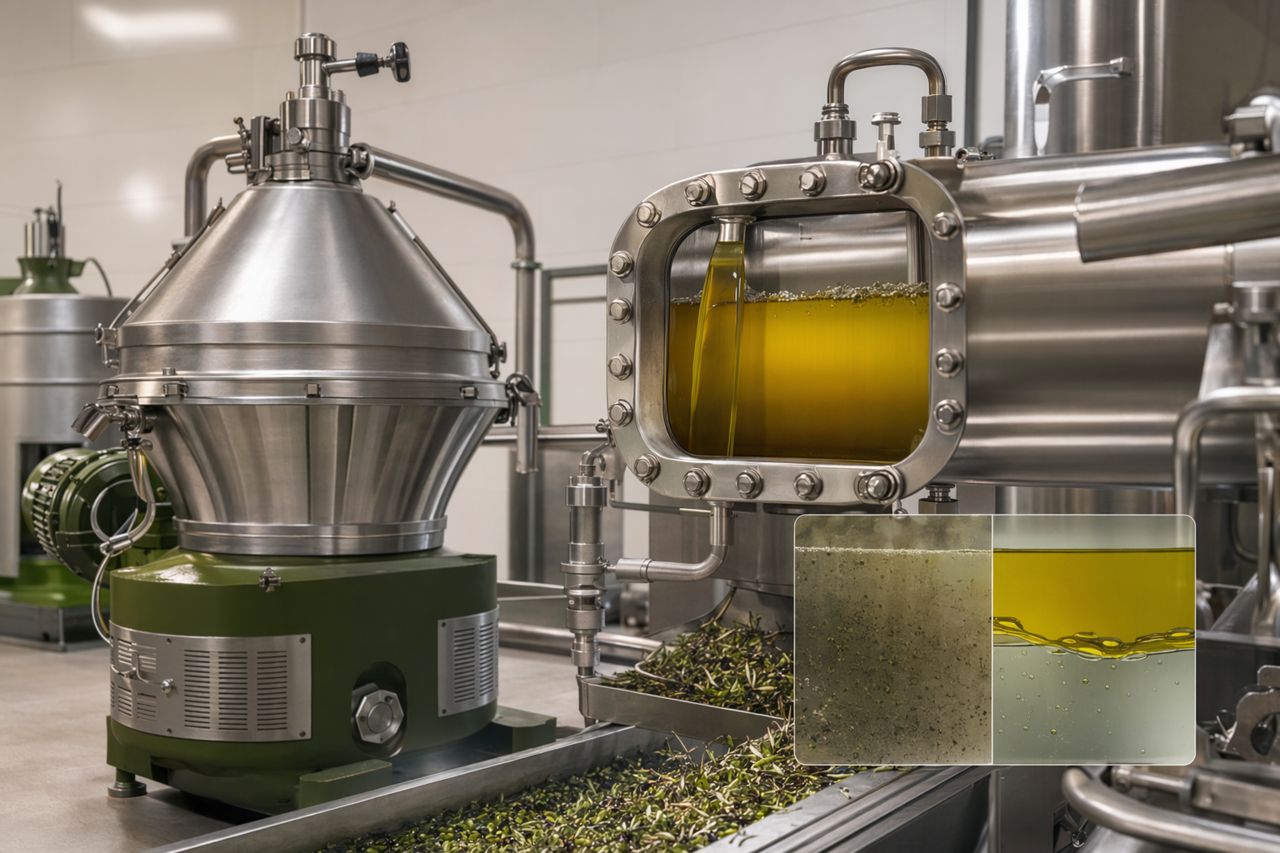
We speak in terms of paste behavior, malaxer performance, decanter load, and separation clarity. You get practical guidance, not academic noise.
Our support is focused on olive oil mills, processors, and production teams that need consistent performance across real fruit variability.
Every mill is different. Enzymequest reviews your processing conditions and commercial needs before quoting, so the recommendation fits your operation.
Send the inquiry form below. Pack format, quantity and delivery timing are quoted per order. Please include:
Request a quote using the on-site form
Consider enzyme treatment when paste remains tight, oil release is limited, separation is unstable, or certain varieties consistently underperform in extraction. It is also useful during peak harvest when the mill needs more predictable process behavior.
Yes. Enzymequest olive paste enzyme treatment is intended for the malaxation stage, where it can support paste breakdown, oil droplet coalescence, and downstream separation.
No. Enzyme treatment works best as part of a controlled process. Crusher setup, malaxation time, temperature management, paste flow, and decanter settings still matter.
Yes. Enzymequest works with mills processing different varieties and maturity profiles. The treatment approach is adjusted around fruit condition, paste behavior, and extraction goals.
Use the inquiry form on this page and share the product, quantity and destination, plus your mill details and process goals. Distributors can ask for resale volumes the same way. Enzymequest will respond with a tailored recommendation.
Tell us your application and volume — we reply with pricing and lead time.
We have received your message. We will reply by email.